When you purchase through links on our site, we may earn an affiliate commission. Learn more.

Power Stations:
Reviews, Roundups & Buying Guides

Our verdicts weigh independent lab and bench testing, long-term owner reports, and manufacturer specifications — cross-checked against real-world use, not repeated from the spec sheet. Every figure cited reflects that published evidence base. Learn more.

Best Portable Power Stations of 2026

A portable power station sounds like a single product category, but the buyer who needs one unit to cover camping trips and grid outages wants something completely different from the first-timer who needs essentials under $500 — and both of them want something different from the buyer who needs to run a well pump when the grid goes down. 

What a Portable Power Station Actually Is

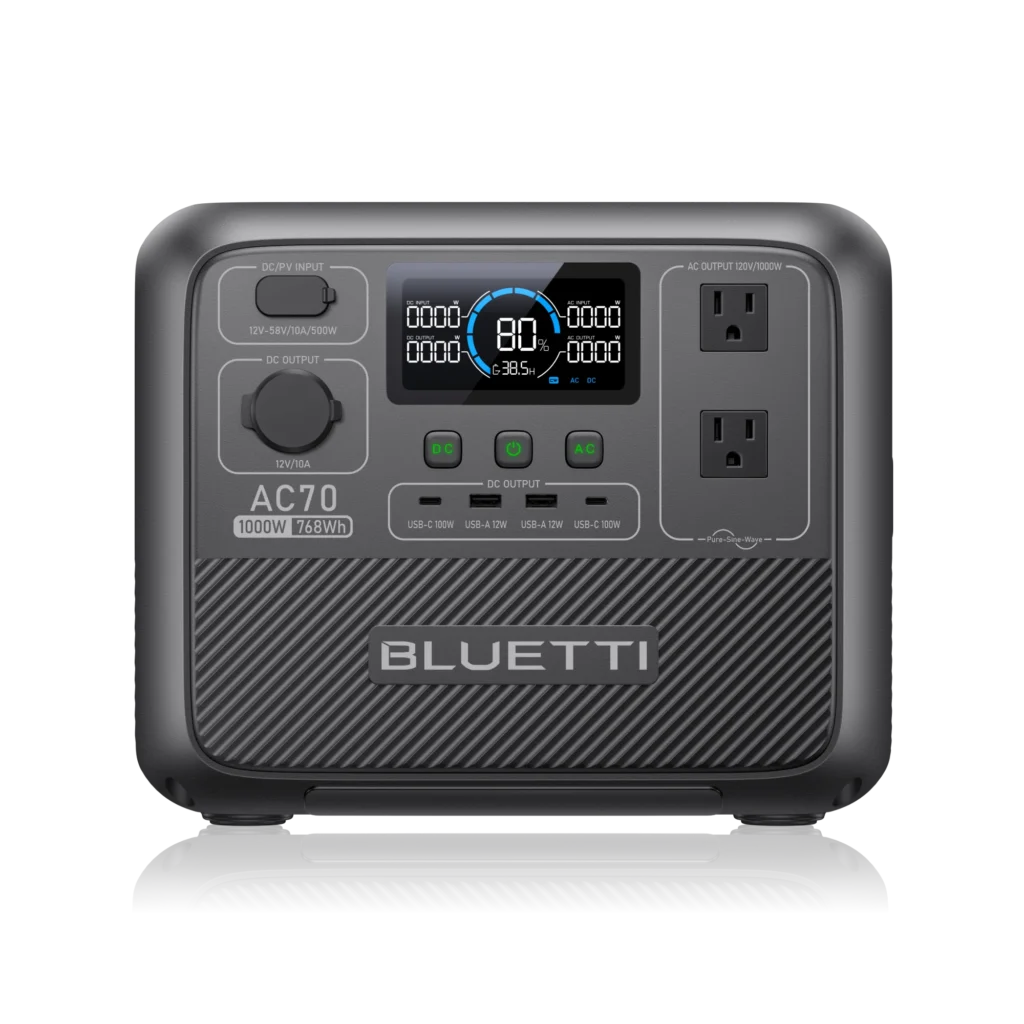
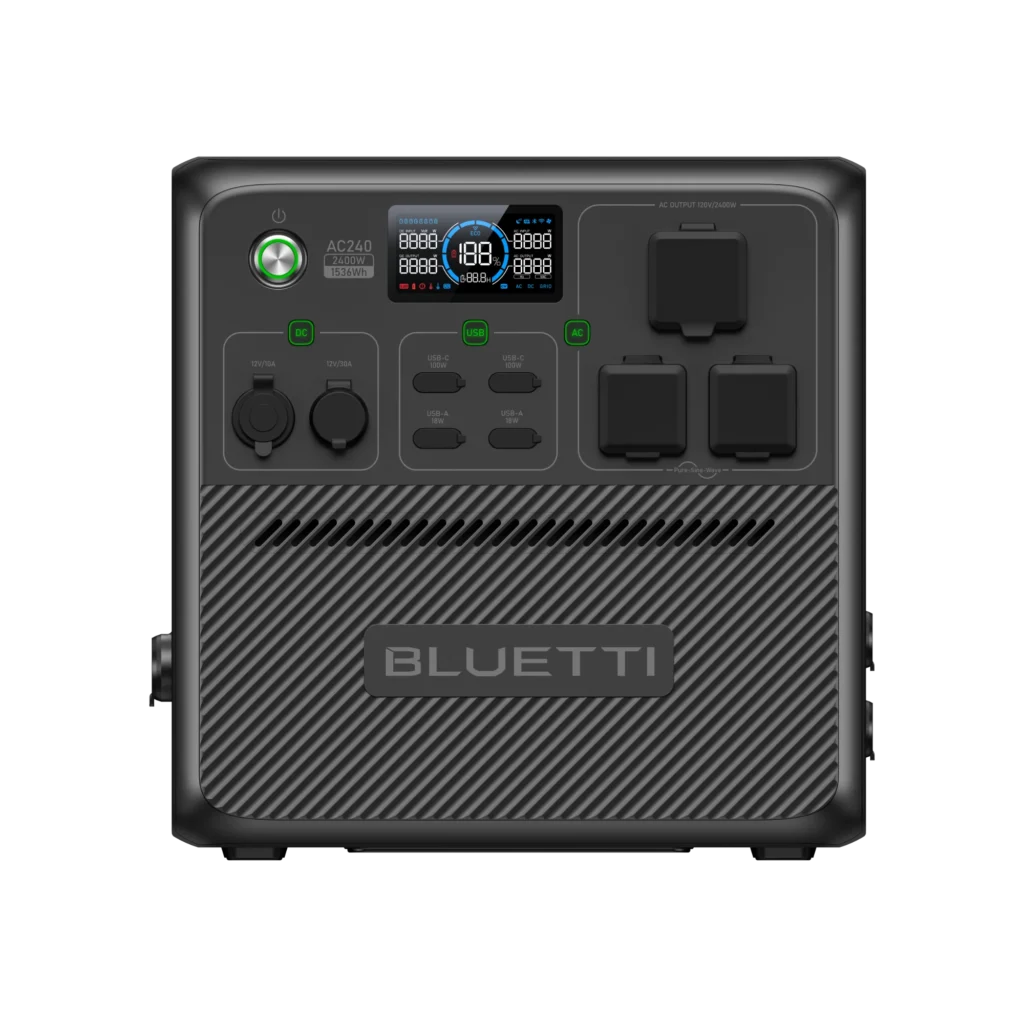
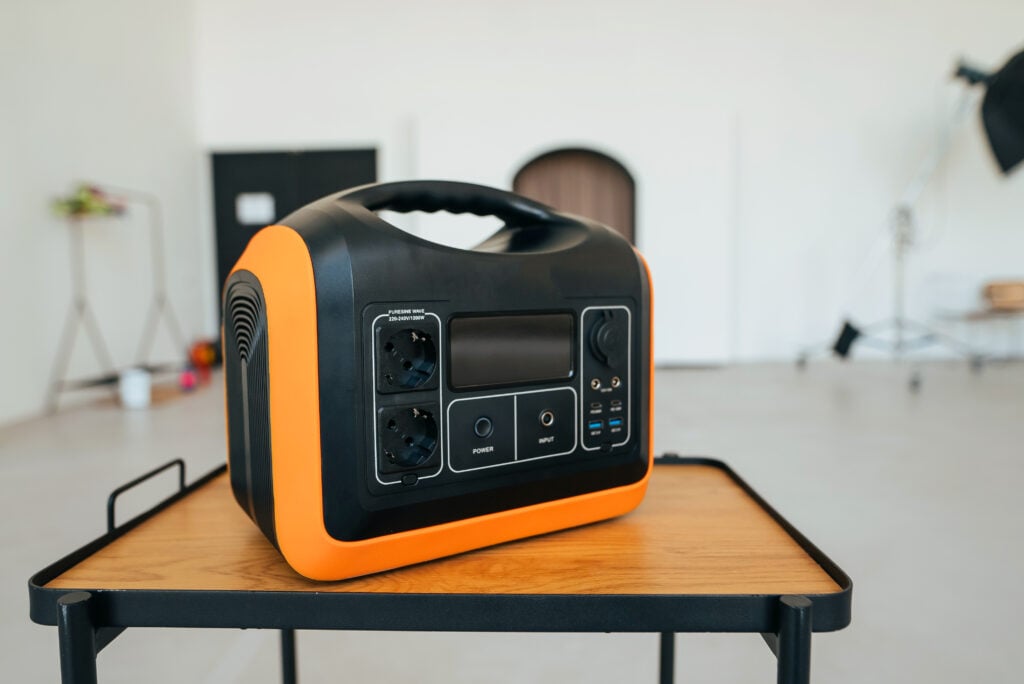
The honest one-sentence version: it’s a big battery with an inverter and outlets.What makes it interesting isn’t the definition, it’s the substitution. It does a gas generator’s job — power away from the grid, power when the grid fails — minus the combustion, which is the whole reason it can sit running inside a closed tent or a camper where a generator would put carbon monoxide where you sleep.

The thing to absorb before shopping is the range. “Portable power station” covers a sub-ten-pound box that tops up a phone and a wheeled unit that wires into your breaker panel and runs 240V circuits. They share a name and almost nothing else — which means the spec that makes a unit perfect for one buyer is frequently the spec that rules it out for the next. Most buying mistakes are really a buyer reading a review written for a different person.

The battery

Lithium cells store the electricity — measured in watt-hours, this is how much you get to use.

The inverter

Turns that stored power into wall-socket AC — its rating sets what you can run at once.

The outlets

AC sockets, USB, 12V — all in a box you can carry, with no combustion and nothing to vent.

Shop by

Capacity & Spec

The pure spec-tier roundups — sized by watt-hours, chemistry, and expandability.

01
By spec

By Capacity & Spec

Watt-hours are the first number that matters, and the spec-tier roundups sort the field by it — 300, 500, 1000, 2000Wh and up — plus the cuts that change everything underneath: LiFePO4 chemistry for cycle life, and expandable systems that grow with you. Start here if you already know roughly how much capacity you need.

02
By price

By Price

Budget is the other number people lead with. These roundups group stations by price band, so you can see the best unit at your ceiling instead of sorting one giant list — the entry tier, the mid-range, and the premium end where capacity and output climb fastest.

Shop by

Fit

The same stations, sliced by the life they’re bought for — context, then brand.

01
By use case

By Use Case

The right station for a CPAP on the nightstand isn’t the right station for a job-site or an RV. These roundups group power stations by the context they’re actually bought for, so the spec tradeoffs are already weighted for how you’ll use it.

Roundup

Best Power Station (2026)

A power station that's perfect for weekend camping is the wrong tool for backing up a well pump, and the best...

20 min read
Roundup

Best Portable Power Station for Preppers (2026)

A prepper isn't one buyer. The person assembling a vehicle bug-out kit, the household hardening against a...

17 min read
Roundup

Best Portable Power Station for RV (2026)

An RV isn't a single buyer, and no single power station is the right answer for every rig. The van boondocker...

19 min read
Roundup

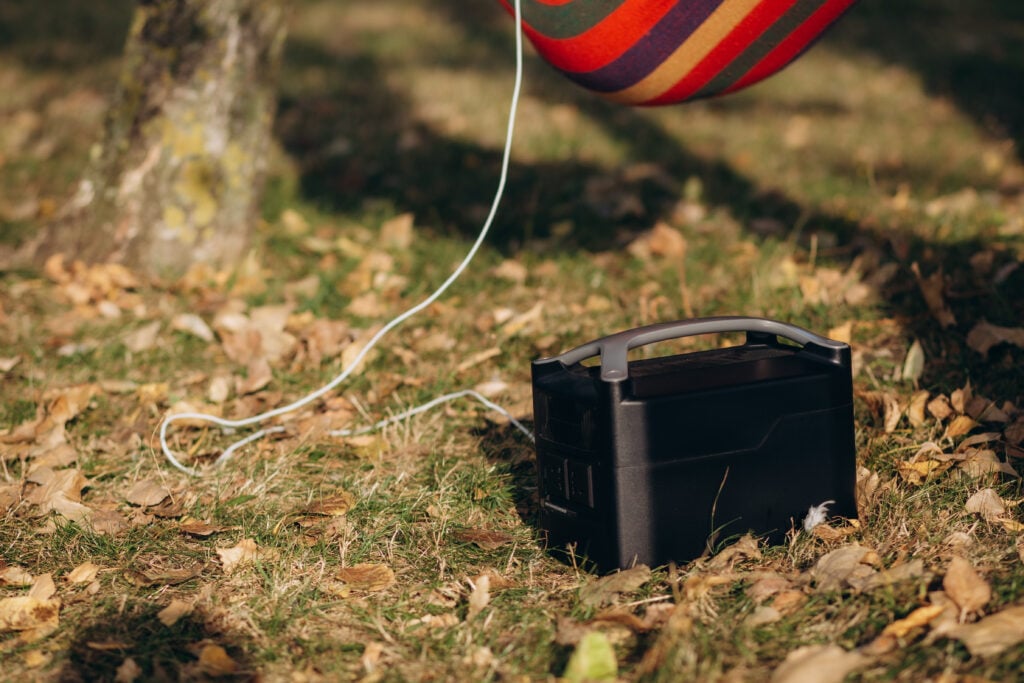
Best Portable Power Station for Travel (2026)

Portable power stations for travel split into four genuinely different jobs — and the unit that wins one of...
16 min read
Roundup

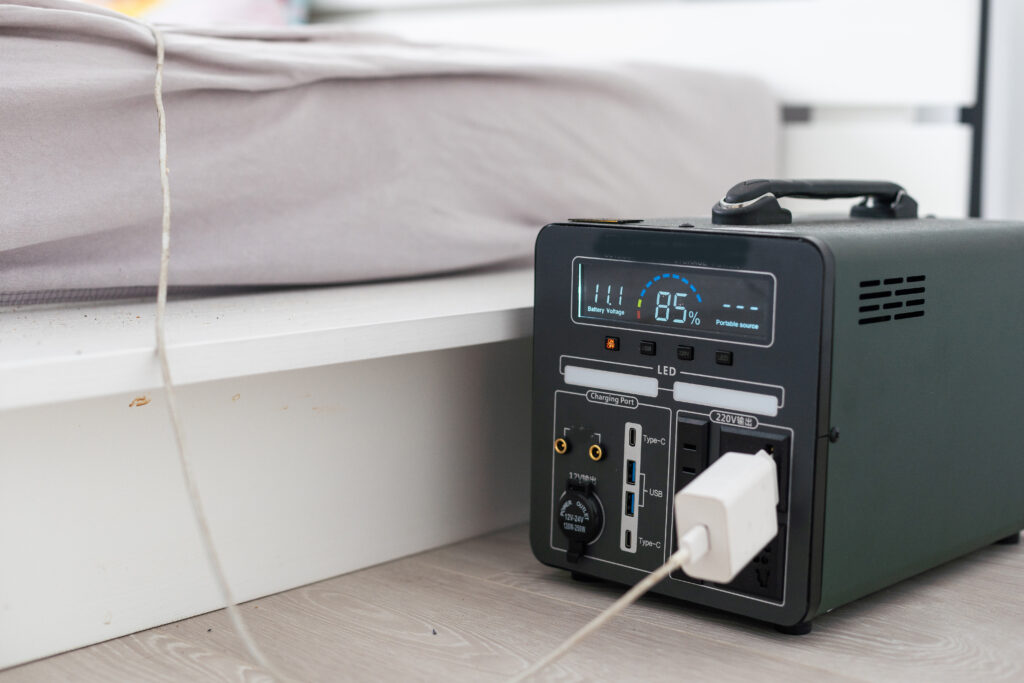
Best Portable Power Station for Camping (2026)

Portable power stations serve buyers with almost nothing in common. The solo hiker needs something that...
20 min read
Roundup

Best LiFePO4 Portable Power Station (2026)

LiFePO4 chemistry is on every box in this category, but that label doesn't tell you which unit to buy — the...

21 min read
Roundup

Best Portable Power Station for Tailgating (2026)

A tailgate is a power problem disguised as a party. You show up to a stadium parking lot with a TV, a sound...

16 min read
Roundup

Best Portable Power Station for Van Life (2026)

A portable power station for van life is not a camping accessory you pack for a weekend. It is the electrical...

20 min read
Best Portable Power Station for Off-Grid (2026)
Roundup

Best Portable Power Station for Off-Grid (2026)

Off-grid power sounds like one problem until you start describing it out loud. The buyer running a homestead...
18 min read
Roundup

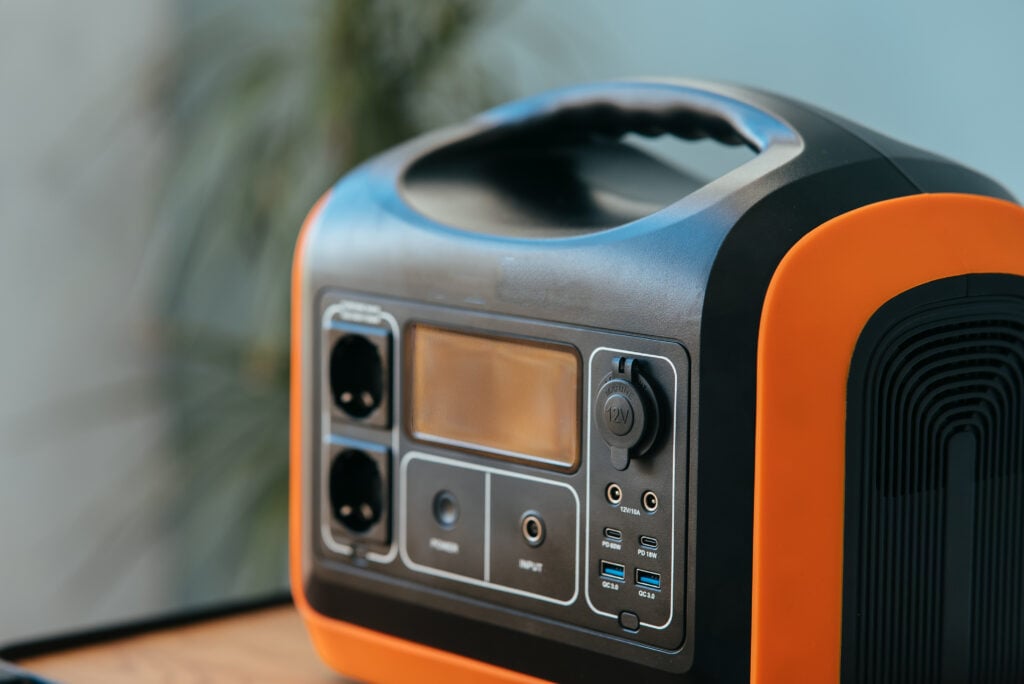
Best Portable Power Station for Emergencies

A portable power station for emergencies sounds like one product doing one job — but the buyers who need...
23 min read
Roundup

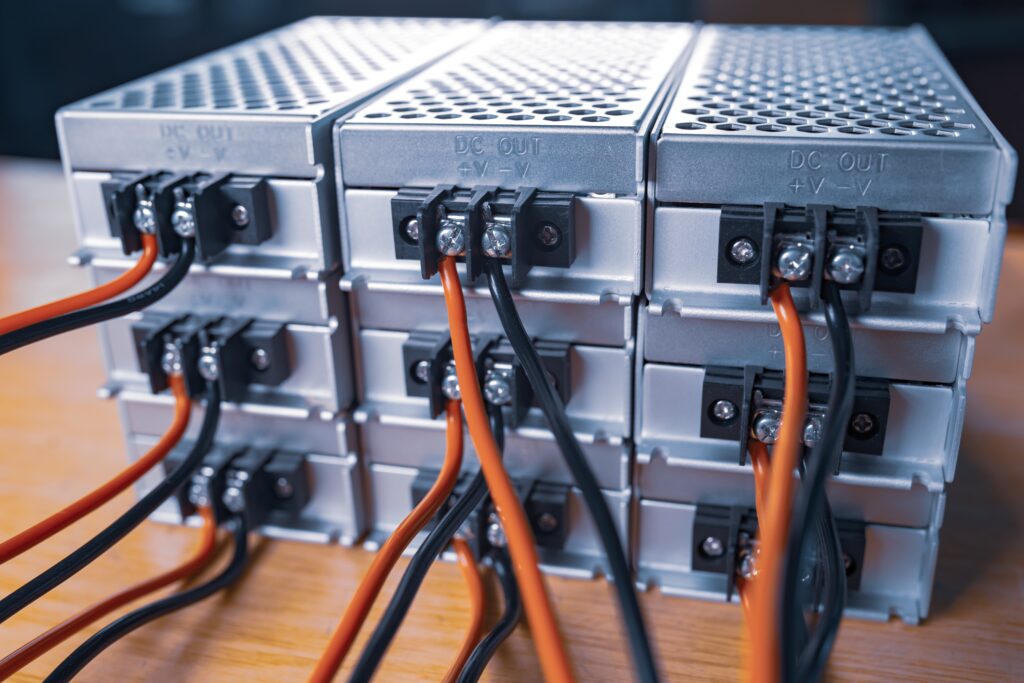
Best Portable Power Station (2026)

A portable power station sounds like a single product category, but the buyer who needs one unit to cover...
21 min read
Roundup

Best Expandable Power Station (2026)

Expandable power stations promise something genuinely useful: buy the right base today and grow into the...

19 min read
02
By brand

By Brand

Brand loyalty is real in this category — ecosystems, app quality, and warranty handling differ as much as the hardware. These roundups cover each maker’s power-station lineup end to end for buyers who’ve already settled on a name.

Keep

Exploring

The leaf layer — individual reviews — and the guides that explain the picks.

01
Reviews

Latest Reviews

See all reviews

The newest individual power-station breakdowns, reverse-chronological — what each unit does well, where it struggles, and who it’s for. This is the leaf layer the roundups are built from.

02
Learn

Guides

See all guides

The educational layer — how to size watt-hours, read inverter ratings, charge from solar, and avoid the mistakes that come from reading a review written for a different buyer. Start here if the spec sheets still feel opaque.

How Long Can a Power Station Run a Camping Fan
Guide

How Long Can a Power Station Run a Camping Fan

Every chart and blog post about power station runtimes throws out a range — "three to thirteen hours" —...

5 min read
Can You Use a Power Station Indoors
Guide

Can You Use a Power Station Indoors

Here's the confusion almost everyone brings to this question: they worry about carbon monoxide. And if you're...

9 min read
How Long Can a Power Station Run a Space Heater
Guide

How Long Can a Power Station Run a Space Heater

The calculation looks simple: divide your power station's watt-hours by your heater's wattage and you have...
8 min read
How Long Can a Power Station Run an Evaporative Cooler
Guide

How Long Can a Power Station Run an Evaporative Cooler

Here's the number most people get wrong: they search "how long can a power station run a cooler," land on...

7 min read
How Long Can a Power Station Run a Box Fan
Guide

How Long Can a Power Station Run a Box Fan

The number everyone reaches for first — divide your station's watt-hours by the fan's wattage, read the...

7 min read
Can a Power Station Run a Microwave
Guide

Can a Power Station Run a Microwave

The wattage printed on your microwave is a lie — not a malicious one, but a technically misleading one that...

7 min read
Can a Power Station Run a Washing Machine
Guide

Can a Power Station Run a Washing Machine

The spec sheet on a washing machine will tell you something like "850 watts." That number isn't wrong —...

6 min read
How Long Can a Power Station Run a Tent Heater
Guide

How Long Can a Power Station Run a Tent Heater

Here's the number that catches most people off guard: a common 1,500W space heater will drain a flagship...

7 min read
Power Station Ports & Pass-Through Charging
Guide

Power Station Ports & Pass-Through Charging

Pass-through charging gets marketed as a free bonus — plug the station into the wall and power your gear at...

6 min read
Power Station Capacity: Rated vs. Usable Watt-Hours
Guide

Power Station Capacity: Rated vs. Usable Watt-Hours

The watt-hour number printed on your power station is the energy sitting in the cells — not the energy that...

7 min read
How Long Can a Power Station Run a Toaster
Guide

How Long Can a Power Station Run a Toaster

Most people frame this question wrong. They want to know how long their power station will run a toaster —...
5 min read
How to Size a Power Station for Home Backup
Guide

How to Size a Power Station for Home Backup

The number printed on the side of a power station is not what powers your devices — it's a ceiling, and...

10 min read
Reading the spec sheet

What the numbers on the box actually mean

Five specs decide whether a power station does the job you bought it for — and on each one, the figure on the label isn’t quite the figure you get.

01

Capacity

The number on the box isn’t the number you get

Watt-hours (Wh) measure how much energy the battery holds, and it’s the figure to shop on — but the nameplate and the delivered energy are two different numbers. Inverter idle draw, eco-mode behavior, and inefficiency at low loads all skim off the top before your first device plugs in, so usable capacity lands meaningfully below the rated figure. A unit advertised at a given capacity does not put that capacity into your gear, and the gap is wider for small, frequent draws than for one big one.

Capacity still gives you a rough map. Compact 300Wh and 500Wh units are device-and-short-bridge tools; 1000Wh is the weekend-or-essential-outage all-rounder; 2000Wh holds a fridge, internet, and a few rooms through something longer. But the tier is a starting point, not an answer — the answer comes from sizing to the loads you actually run, working backward from your gear rather than forward from a number you liked.

02

Output

Capacity says how much, watts say how fast

A station can hold plenty of energy and still refuse a load — because capacity and output are unrelated limits. The wattage rating is the most the inverter delivers at any instant, and a load above that ceiling simply won’t run, full battery or not. The figure that actually catches people isn’t the running wattage, though; it’s the startup surge. Motors — fridge compressors, pumps, power tools — draw a brief spike well above their running number the instant they kick on. Size to the surge, not the nameplate, or the unit trips at the exact moment you need it.

03

Chemistry

Why the cheaper old unit usually isn’t a deal

The reason to care which battery chemistry a station uses comes down to how many times you can refill it. Nearly everything worth buying now runs lithium iron phosphate (LiFePO4), and the upgrade over the older lithium-ion (NMC) packs isn’t capacity or weight — it’s lifespan. LiFePO4 is rated for vastly more charge cycles before its capacity fades, enough that the same unit cycled daily lasts years where the older chemistry would be tiring. So a discounted older-chemistry station is often a consumable dressed up as a bargain — cheaper today, replaced sooner. The chemistry line on the spec sheet is doing more work than the price tag.

04

Recharging

A finite battery, and how fast it comes back

Every station empties, so how it refills matters as much as how much it holds — and the four paths aren’t interchangeable. Wall AC is fastest. A car’s 12V outlet is the slow trickle. A generator can do it where there’s fuel. And solar is the one that changes the unit’s character — it’s what turns a finite battery into something that refills itself off-grid. Solar also carries the most ways to get it wrong:

05

The limits

Where a power station stops being the answer

The category has edges, and recognizing them is what stops you buying twice. Backing up 240V circuits — well pump, furnace, dryer — through a breaker panel is past the drop-in portable bracket and into transfer-switch systems that also need a credible recharge plan. Powering a place full-time rather than bridging an outage shifts the question toward expandable capacity and sustained solar harvest instead of raw size. And a portable station versus a fixed home battery isn’t a better-or-worse call — they solve different problems. Knowing where the portable category ends is as useful as knowing what’s in it.